
Dispatch from Elective Paris, A New Way to Study Abroad
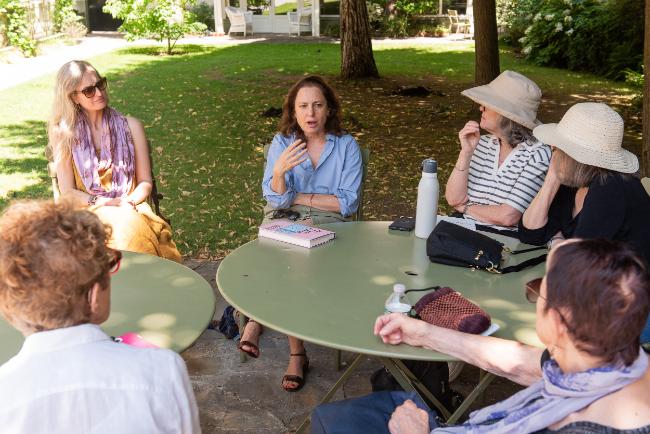
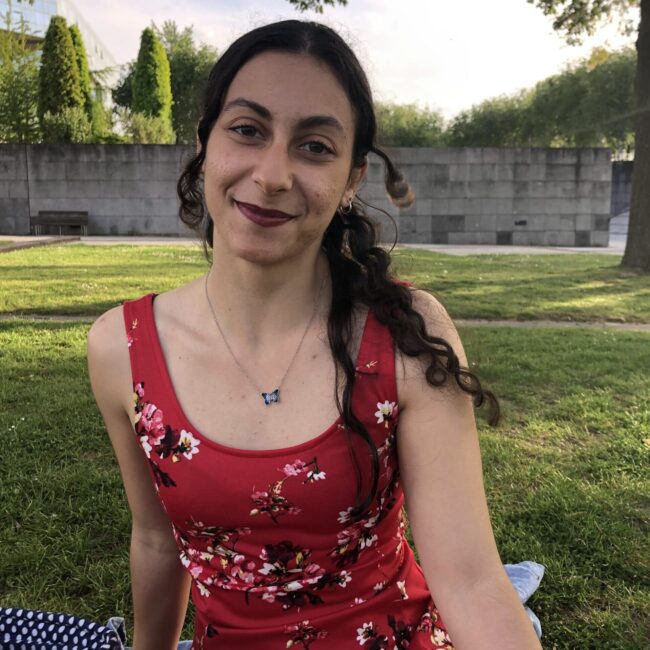
This past June, I participated in Elective’s most recent study abroad program, “Women in Paris.” As the name implies, this program focused on women who have impacted Paris’s history, culture, cuisine, literature and art scene, fashion, and much more.
Elective reimagines study abroad by providing high-quality, personalized study abroad programs for adults. Perhaps you never got the chance to study abroad during school, or maybe you’ve been reminiscing about the time you did spend abroad. With Elective, you can relive or experience for the first time a curated study abroad program.
With up to 10 students, each Elective group is led by a local instructor and facilitator. As part of this highly personalized program, the instructors and facilitators give recommendations for local restaurants, share ideas for extracurricular activities, teach some useful phrases in the native language, and help out with public transportation, if available.
Elective is perfect for those who wish to learn something new about different cultures and immerse themselves in various environments. It’s not sightseeing or bucket-list travel, but rather a way to relearn how to travel and learn from the places we visit.
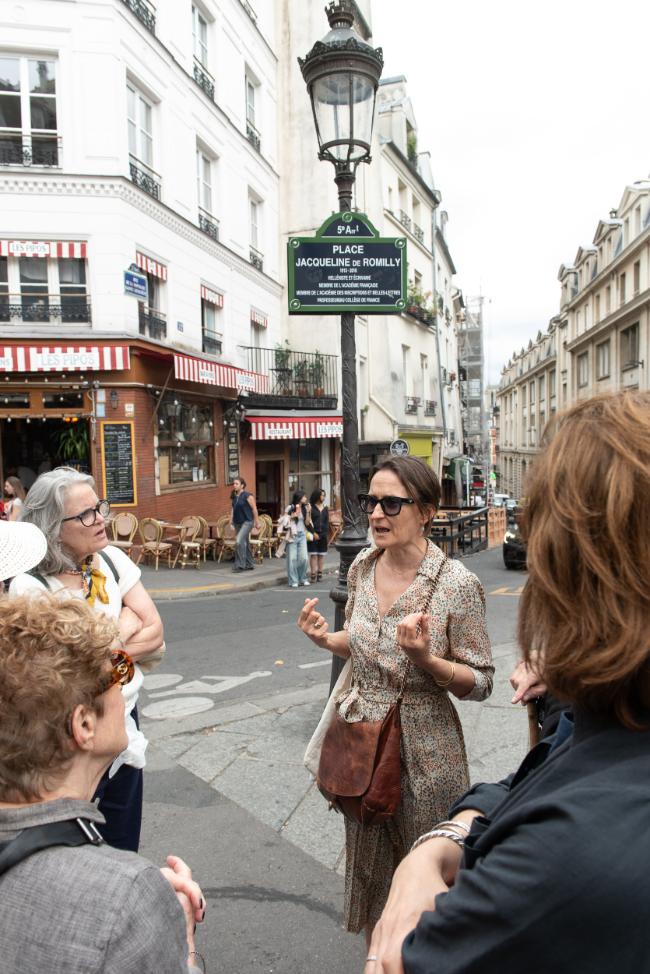
Elective Paris. Photo: Jason Gardner Photography
A brief history of Elective
Elective was founded by Carrie Angoff, whose experiences working in cultural exchange, education, and travel have made her highly attuned to the need for a program such as Elective. In fact, part of the inspiration for Elective came when parents of study abroad students asked if there would be a program for adults.
During the Women in Paris program, Carrie, along with instructor Cécile Balavoine and facilitator Jennifer Huxta, organized the week with patience and adaptability. Cécile provided a treasure trove of information, as well as insights into her life as a writer of autofiction and a teacher at Columbia University’s Reid Hall. Jennifer, a writer and American expat in Paris, guided us through each day and hosted extracurricular activities such as an art gallery walk.
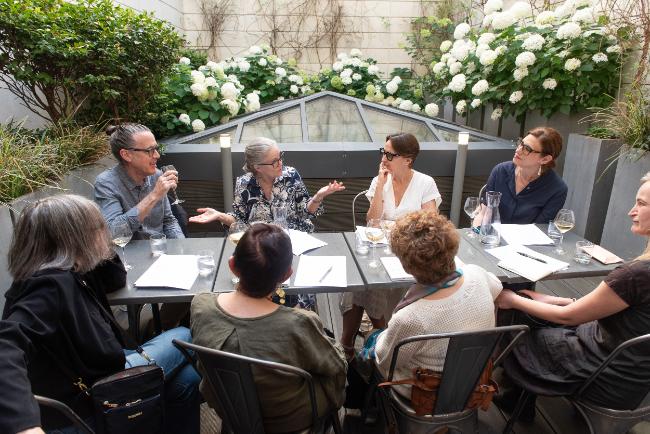
Elective Paris. Photo: Jason Gardner Photography
What can you expect from an Elective course?
While structured with a syllabus, Elective courses offer independence and flexibility, with most afternoons dedicated to self-guided study. Though each class is taught in English, having a good grasp of the native language is a valuable, but not required, skill. In addition, the coursework is posted online and the groups use WhatsApp to keep in touch, so having access to a smartphone and/or computer is essential.
Each student who attends an Elective course should be motivated and genuinely interested in participating in discussions and expanding their knowledge about the chosen country and topic. Each person I met during the Women in Paris program was in France not as a tourist, but as a student.
There are three main aspects to an Elective course: group discussions, field seminars, and self-guided study.
Group discussions:
Each day, the group gathers to discuss their self-guided studies from the day before and the field seminar for the day. For example, during the group discussions for the Women in Paris course, Cécile introduced the people or places we would visit each day and analyzed the associated course readings with us. The syllabus followed a chronological order, beginning with the early history of Paris from 52 B.C. and finishing with contemporary stories of women in Paris.
Field seminars:
After each group discussion, the field seminar offers an opportunity to use the surroundings as a classroom, allowing students to learn from where they go and to connect these places to the day’s theme.
Self-guided study:
Self-guided study grants students the opportunity to visit places molded to their interests. Some recommendations during the Women in Paris course included taking a pastry-making class with a female pastry chef, visiting museums which fit the course theme, checking out local markets, and visiting the ateliers of female artists and designers.

Nina Métayer’s pastry shop. Photo: Jill Amari
To give you a taste of what we explored during our course, here are some of the people and places we studied:
- Saint Geneviève, the patron saint of Paris
- The Panthéon, where seven women are buried
- Lesser-known women who have had an impact on Paris, such as street artist Miss.Tic and writer Jacqueline de Romilly
- Gertrude Stein and Alice B. Toklas
- The Luxembourg Gardens and Marie de Médicis
- The pastry shop of Nina Métayer, World’s Best Pastry Chef 2023, at the department store Au Printemps
We were also given rare opportunities to privately explore places which are normally closed to the public and speak with women who are currently making their marks on Paris. This was largely thanks to our instructor Cécile, who knows or works with many of these women.
- Reid Hall, founded by American philanthropist Elisabeth Mills Reid, which is now part of Columbia University
- The Opéra Comique
- Artist Zelda Georgel
- Le Saint Sébastien restaurant and owner Daniela Lavadenz
- Jewelry maker Agnès Sinelle and her atelier, Dante & Maria
Fan favorites were undoubtedly our private tour of the Opéra Comique and our surprise guest at Reid Hall, acclaimed French author Colombe Schneck.
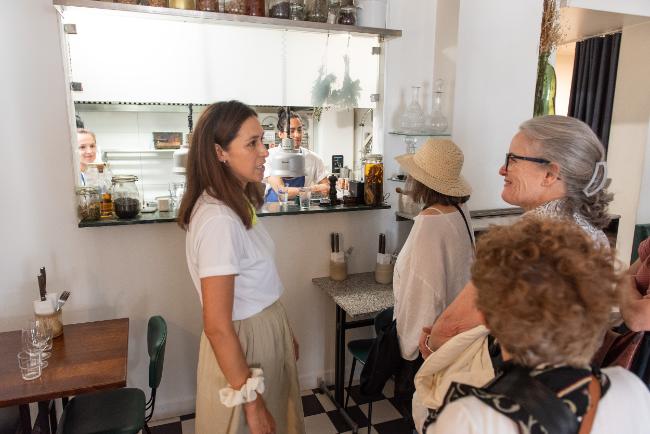
Elective Paris. Photo: Jason Gardner Photography
During our exclusive tour of the Opéra Comique, we saw the inner workings of the theater and even got to go backstage. We also discussed the history and architecture of the building, including the gorgeous mosaics that adorn the floor and the typical 19th-century gilded exterior with statues, sculpted faces, and engravings. While the name “comique” implies comedies, this is far from what an “opéra comique” is. In fact, the “opéra comique” is the origin of what we now call musical theater, meaning it must always involve both speech and singing. Keeping in line with our theme, we discussed heroines in traditional opéra comiques, one of the most famous examples being Carmen, as well as real-life heroines who worked tirelessly to keep the Opéra Comique alive.

Inside the Opéra Comique. Photo: Jill Amari
At Reid Hall, we had the opportunity to meet Colombe Schneck, whose book The Paris Trilogy was included in our course readings. Before reading an excerpt from the book, Schneck welcomed our questions about her reasons for writing the book and discussed with us the themes of social class, death, and illness. In addition, some students later attended Schneck’s book signing at The Red Wheelbarrow, a well-known English bookstore, as part of their extracurricular activities.
What future programs will Elective offer?
The next Elective program, “Art & Art de Vivre in Montpellier,” will take place in Montpellier, France and will run from September 28 – October 5, 2025. Elective also plans to return to Spain, where their pilot course took place, as well as Paris. Other potential courses, depending on levels of interest and instructors’ availability, include “Sustainability in Slovenia,” “Ecological Conservation in Brittany,” and “Morocco’s Waterways and Civilization.”
If you’re interested in learning more about any of the programs Elective has to offer, you can book a call with founder Carrie Angoff.
Elective isn’t just study abroad reimagined for adults; it’s an opportunity to connect with like-minded individuals, immerse yourself in other cultures, and gain new perspectives.
Lead photo credit : Elective Paris. Photo: Jason Gardner Photography
Share to: Facebook Twitter LinkedIn Email
More in study abroad, women in Paris
Related Posts
By Jill Amari