
Flâneries in Paris: Explore the Bercy District
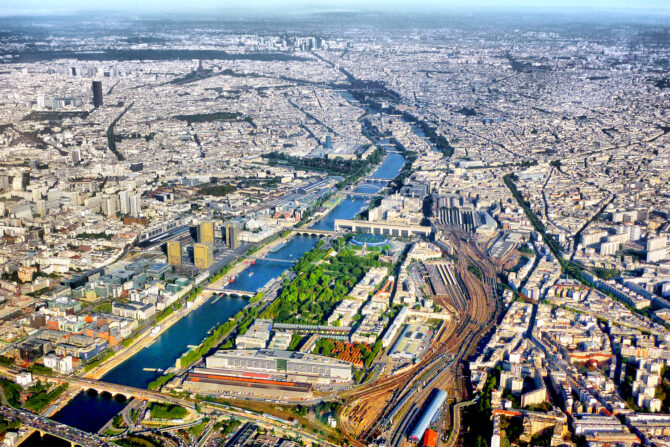

This is the 25th in a series of walking tours highlighting the sites and stories of diverse districts of Paris.
I didn’t know much about Bercy, in the 12th arrondissement, when I spotted it as a blank area of my map, untrodden on any flânerie to date. I had two vague notions: that concerts happen there and that “Bercy” is a byword for government finances. As it turned out, both those aspects were immediately apparent as I emerged from the metro station.
The towering cream buildings curving around in both directions above my head make up the Ministry of Economics and Finance, whose staff were moved out of the Louvre in 1989 – the same year in which the pyramid appeared – and transferred to work in these purpose-designed cream-colored blocks. I wondered how many of those working away up there would opt to move back to the first arrondissement if they could, and swap surfacing from Bercy metro for a morning saunter to the office through the Tuileries. But then, not everyone can live along the Rue de Rivoli, so perhaps the transfer suits them?
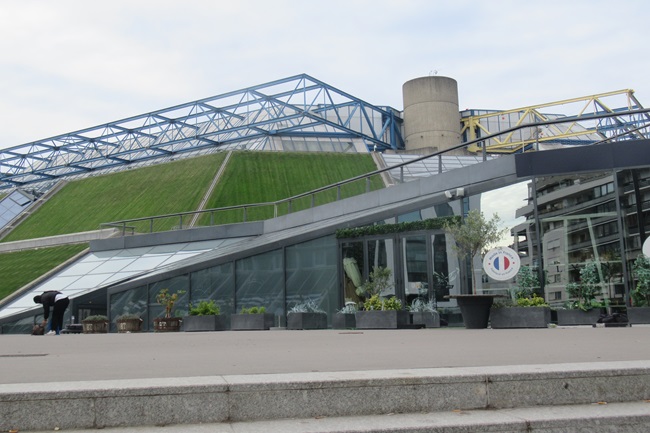
Accor Arena. Photo Credit: Marian Jones
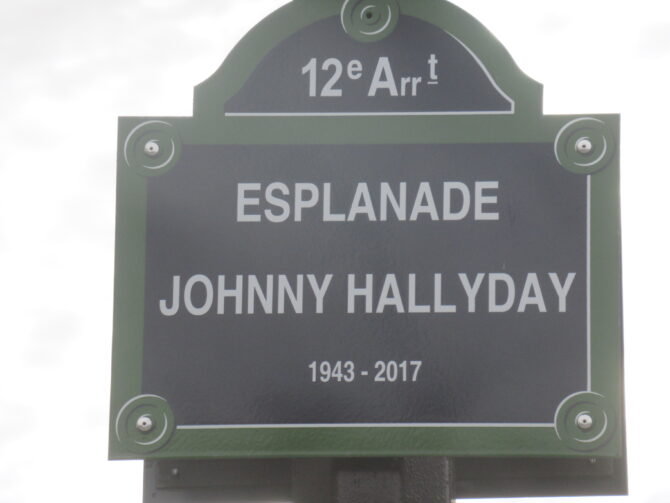
And just off to my right, the vast Accor Arena whose digital display board offered upcoming concerts – Sting, Djadja & Dinaz – and whose entry gates, labelled A to U stretched off down the Rue de Bercy. I imagined up to 20,000 fans streaming out of the metro and into the arena, whose seating capacity equals Madison Square Garden. Would they collide with as many finance workers heading home in the opposite direction? The arena itself is a triumph of glass and metal, relieved by a grass-covered roof and just past it is the Esplanade named after Johnny Hallyday, who played over a hundred concerts here. Other signs promised an ice rink, the Parc Bercy, the Cinématheque. It was difficult to pin Bercy down. What were all these disparate things doing here?
I have a theory that almost everything in Paris can be traced back to either Napoleon or Louis XIV and sure enough, a little research revealed that this is true for Bercy, however futuristic my first impressions had been. Remains of some of the earliest human settlements in Paris, neolithic boats submerged in former marshland for example, may have come to light in Bercy, but it was the Sun King who put it on the modern map.
Visiting one day in 1704 to attend mass at Notre Dame de Bercy, Louis learned from a visiting Burgundian wine-merchant that business was difficult because taxes were so high. Onlookers must have wondered at the wisdom of challenging the king’s authority in this way, but unexpectedly Louis responded by decreeing that wine exported from Bercy would be tax-free from now on. Immediately, the area became a hub for the wine trade. Wine warehouses were built, transport links were set up to send wine along the river into central Paris and, as business grew, further afield.

L’entrepôt de Bercy in 1908. Public domain
By the mid-19th century, the Entrepôts de Bercy, or Bercy Warehouses were the world’s largest wine-market, a distinctive area where business was liberally mixed with pleasure. Parisians came out to Bercy to buy wine, but also to visit the numerous wine bars and guinguettes which sprang up and soon it was day out territory. In Bercy you could drink cheap wine, perhaps row along the river wearing a canotier (boater) bought specially for the occasion, enjoy music and dancing and try out the new fairground rides.
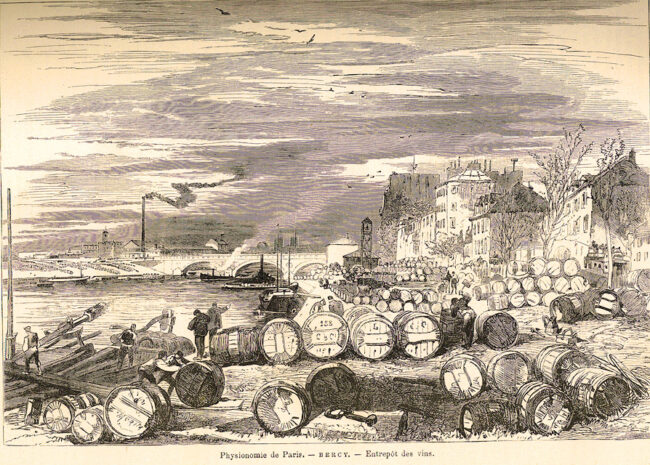
Engraving of Le port de Bercy in the 19th century. Unknown author. Public domain.
Walking along the Avenue de Bercy, I struggled at first to see any of this history. But then I realized that the area, more and more rundown during the 20th century, had undergone a massive redevelopment, beginning in the 1970s and of that there was plenty of evidence. In the 1980s, moving the Ministry of Economics out here and siting the city’s major new concert arena just next door gave regeneration a serious impetus. And through the 1990s and early 2000s, more innovative ideas were brought into the area, as I was about to discover on a wander round.
Some of the Rue de Bercy was filled with hotels and car hire companies but there was also a primary school, housed in a tall 19th century building, with lively noticeboards full of information about current trips. Looking up over its twin entrances, I noticed the carvings denoting one as the Écoles de Filles and the other the Écoles de Garçons, so it was originally two separate schools, one for each sex. I wondered if they dated from the 1880s when education – free and secular – became compulsory for all French children. How proudly those first little girls must have passed through the entrance, watched perhaps by their mothers and grandmothers for whom such an opportunity had not been a given.
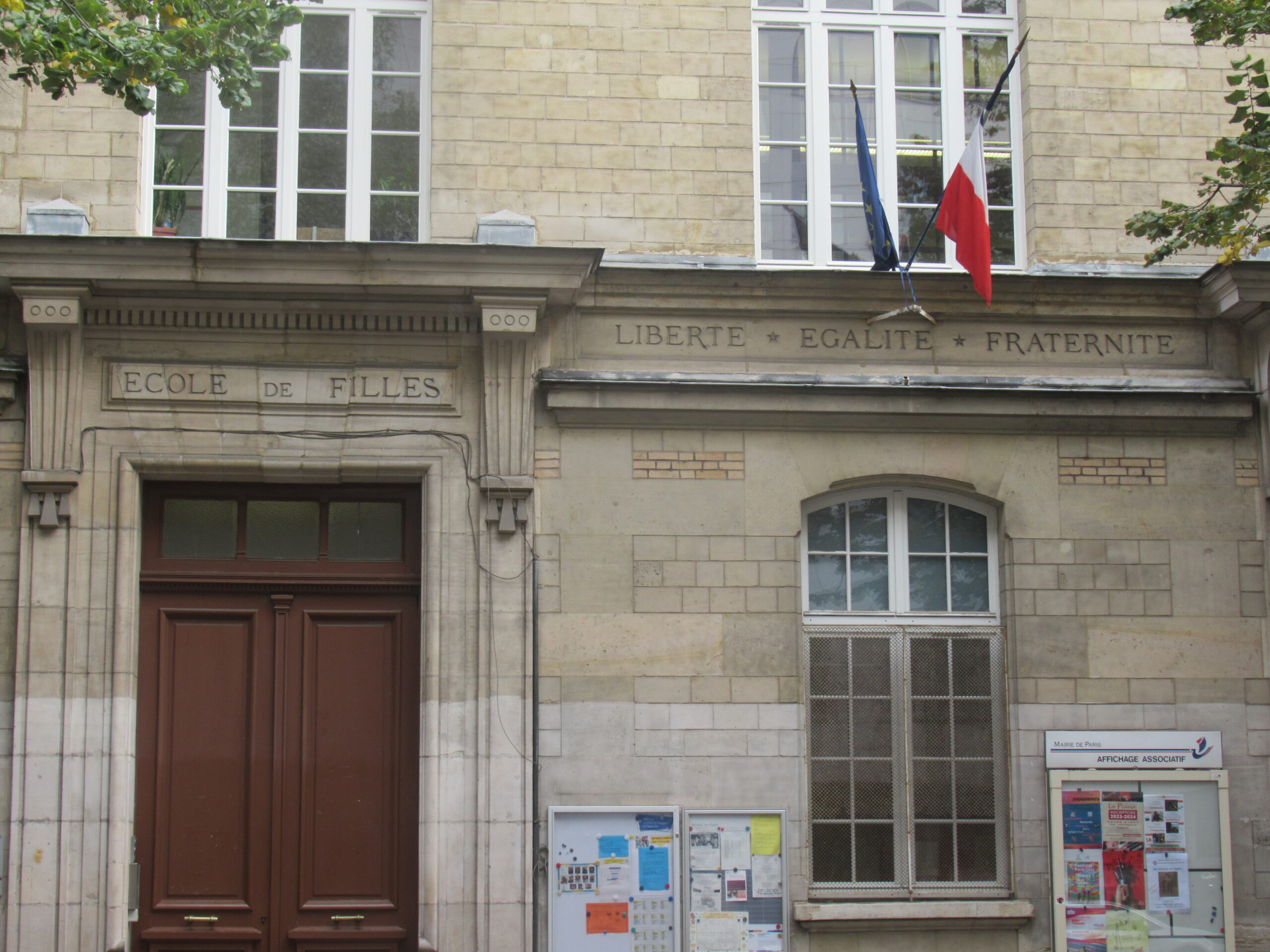
Ecole des Filles. Photo Credit: Marian Jones
I came to the huge, jauntily colored display boards advertising the Agnès Varda exhibition at the Cinémathèque. This important archive of French cinema heritage was set up in the 1930s, but it was moved here from the Palais de Chaillot in 2005, another sign that Bercy was being smartened up. I noticed a trend of linking the arts to the area in the names chosen for new little side streets built off the Rue de Bercy. I passed the Rue de Jean Renoir, for example, and the Rue Joseph Kessel, named after two mid-20th century giants of cinema and journalism. At the end of the Avenue, just where I was confronted by the slatted façade of a former warehouse, the street to the right was called none other than Rue François Truffaut.
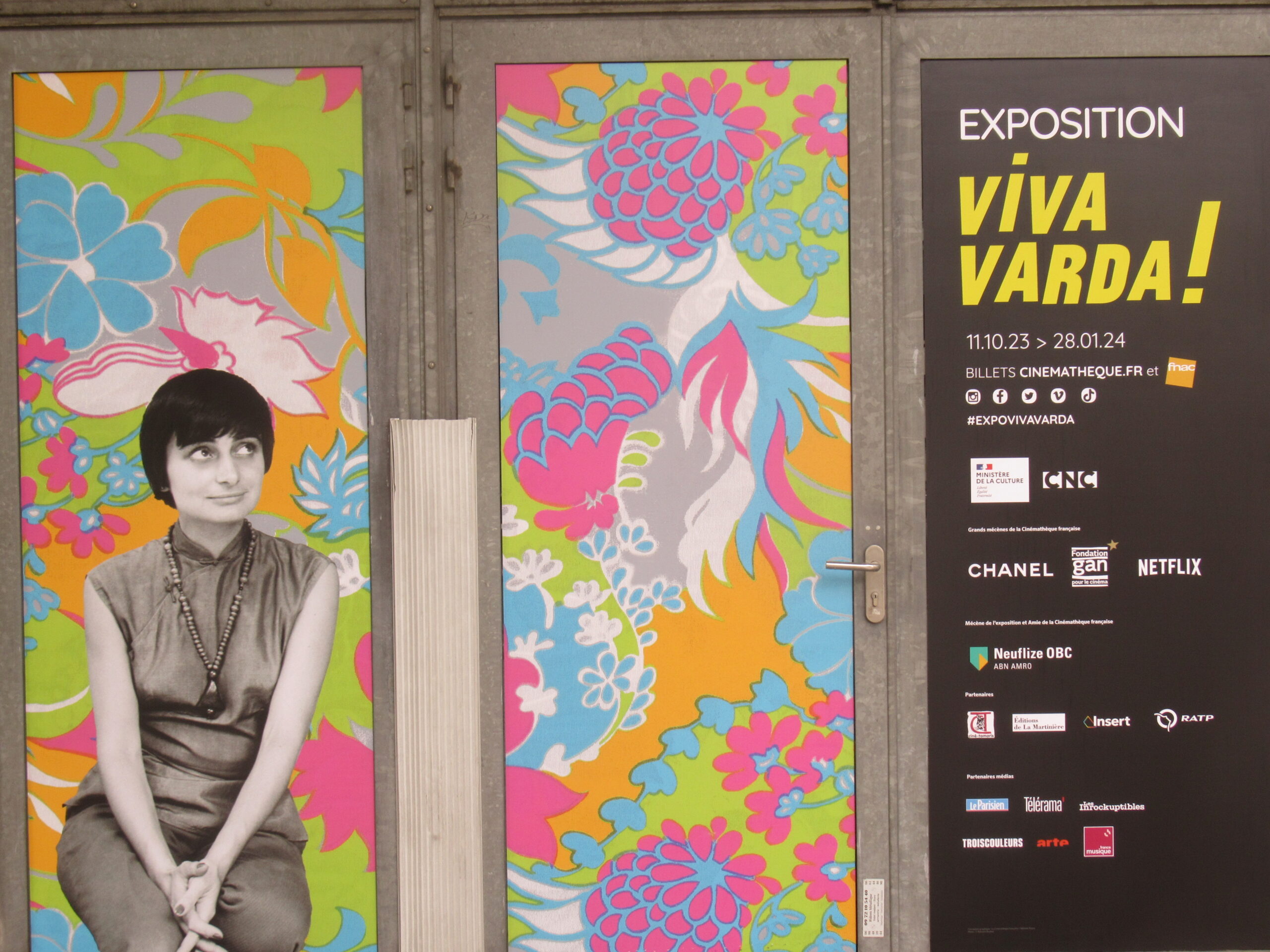
Varda exhibition poster. Photo Credit: Marian Jones
Next came the entrance to Bercy Village, a shopping and leisure site built out of former warehouses in 2002. Along the central Cours St Émilion – aptly named on a wine-theme – were lined a host of business to please 21st century day-trippers. Alongside a real mix of eateries from an artisan crêperie to Vietnamese food at Hanoï Cà Phê, I could stock up on luxury chocs or Fragonard perfumes and ponder the leisure options, such as a climbing wall, a Musée Immersif Multiscience and an 18-screen cinema. A big sign mentioned “cultural spaces” offering a free, all year-round programmation artistique and, for more of a 19th century flavor, the Musee des Arts Forains, the Fairground Museum, is just outside the entrance.
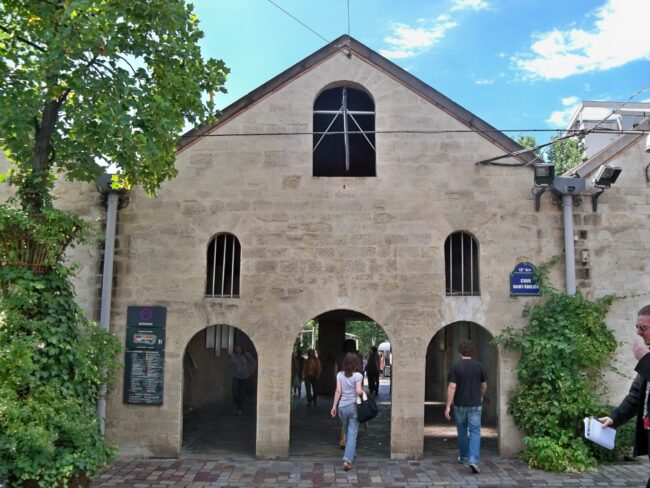
Cour Saint-Émilion at Bercy Village. Photo credit: Véronique PAGNIER / Wikimedia commons
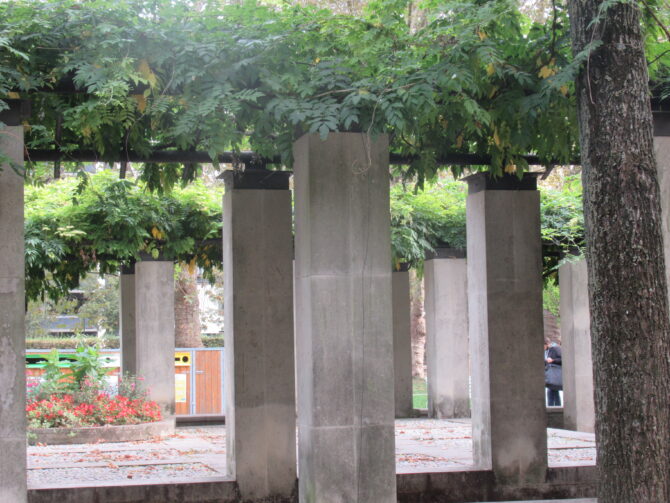
If Village Bercy felt a little “manufactured,” the Parc Bercy, laid out over much of the area in the 1990s was an uplifting surprise. My map showed it stretching from the Village right back to the Accor Arena, sandwiched between the railway tracks leading into the Gare de Lyon and the traffic-laden Quai de Bercy along the Seine. It didn’t look very promising. But once I was inside, I was surrounded by nature, albeit with some quirky urban touches. In the eastern section, where I first entered, ducks floated tranquilly along a uniformly rectangular pond and vines grew on a trellis propped up by concrete pillars. An information board explained that the paths had been planned to follow the lines of the old rail tracks, once used to transport goods around the area. The overall effect was calm and pretty.
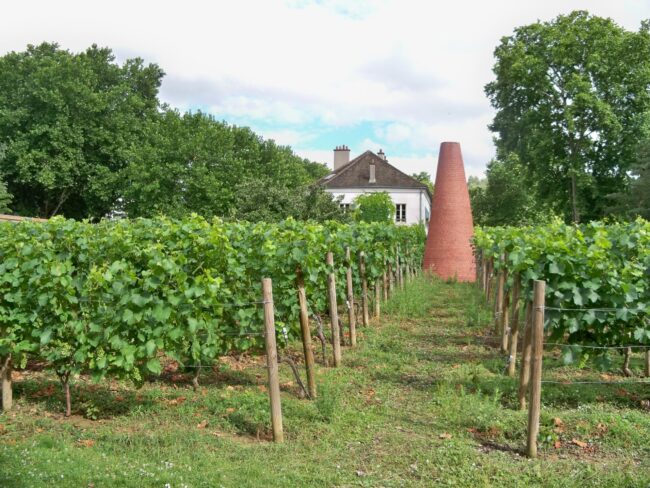
Vineyard at the Parc de Bercy. Photo credit: Véronique PAGNIER / Wikimedia commons
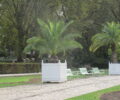
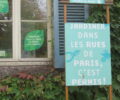
The middle section was idyllic, even if I did reach it via a walkway which curved up and over a busy road taking traffic from one of the river bridges into eastern Paris. Divided into a mix of beds and pathways, it was full of interest: pale green benches, large white planters with giant ferns spilling out, a rose garden, birdboxes, beehives. And in the middle of it all, a maison du jardinage, an urban garden center offering workshops (“Come and learn to grow vegetables”) and community activities (“Swap your seeds and cuttings here”). Yes, said the cheerful board outside, “gardening in the streets of Paris is allowed!” A green haven really had been coaxed from the once run-down industrial wasteland.
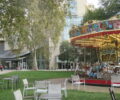
The final section was different again. In one corner, a solitary roundabout awaited customers, a reminder of the crowds who once flocked to Bercy in search of fairground fun. Strange concrete structures like tiny bus shelters dotted the park. A randomly shaped “sculpture” of red metal tubing jutted out over one pathway, rubbish containers covered in graffiti of every color lined another. And, just at the entrance to the Place Leonard Bernstein, where the Cinémathèque entrance is, two or three classes of teenagers were noisily unpacking their lunch. Bercy, I had learned, is not what it once was. But there is still something for everyone here.
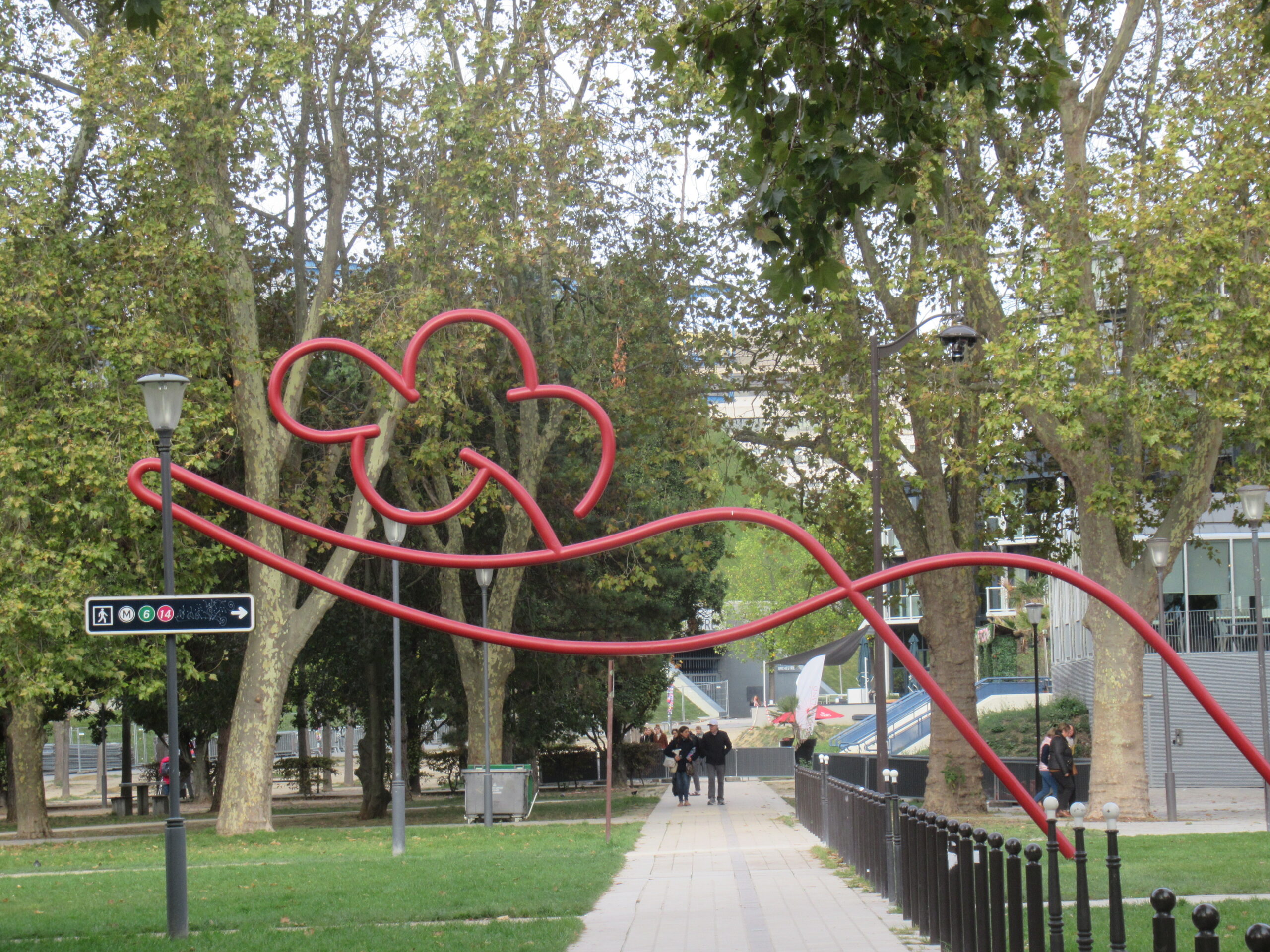
Sculpture in the Parc de Bercy. Photo Credit: Marian Jones
Lead photo credit : The Quartier de Bercy, seen from above. Photo credit: Mortimer62 / Wikimedia commons
Share to: Facebook Twitter LinkedIn Email
More in Bercy, Flâneries in Paris, walking tour
Related Posts

By Marian Jones
REPLY
REPLY
REPLY
REPLY